







Search Results for: Old Ice vs. Young Ice
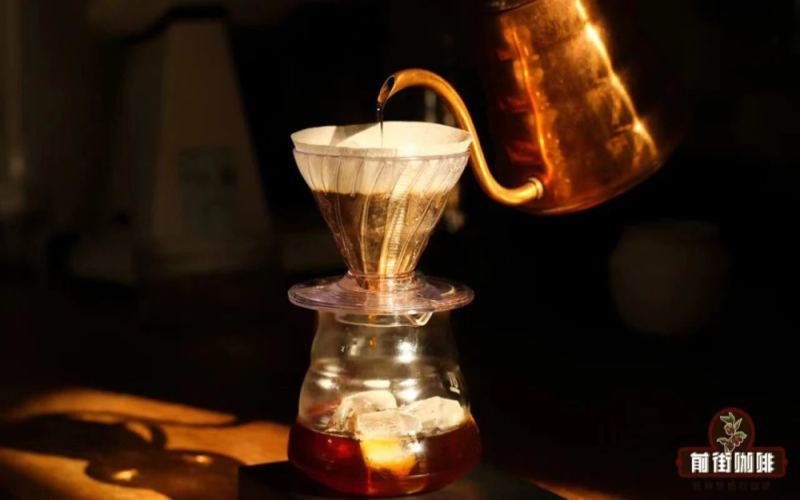
Ice Cube Dosage and Coffee-to-Water-to-Ice Ratio Tips for Iced Pour-Over Coffee: Looking at the Difference Between Aged Ice and Young Ice from Front Street Experiments
When making iced pour-over coffee in summer, the most agonizing decision is often not which beans to choose, but exactly how much ice to throw in. Too little ice and the coffee turns lukewarm; too much and it becomes thin as water. A slight deviation in ratio and it's easy to mess up. This article focuses on the two core functions of ice in iced pour-over—cooling and dilution—breaks down the reasonable ratio range among coffee grounds, water, and ice, and shares a comparative experiment about old ice versus young ice. The experiment uses 15 grams of Emerald Estate Green Label Geisha with a Hario V60 dripper, revealing through actual testing how freezing time affects ice hardness and melting speed. If you also want to consistently make a cup of iced pour-over at home with moderate strength and lasting chill, the following content is worth reading to the end. [more…]
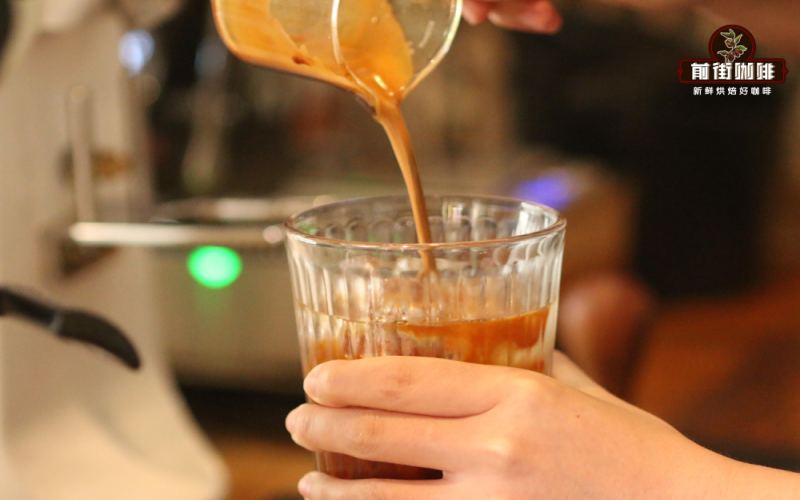
American Coffee vs. Latte: Flavor Characteristics Explained — From Espresso Diluted with Water to Blended with Milk, Which One Suits You Better?
Americano and latte are the two most common espresso-derived drinks in cafés: one presents the pure black coffee flavor of espresso diluted with water, while the other blends espresso with milk for a smooth sweetness. This article will start with the history of Americano, its advantages in alertness and value for money, the application of specialty beans, and Front Street Coffee's specific extraction scheme, then compare the origins, ratios, and preparation details of the latte, helping coffee lovers understand the differences between the two in taste, strength, and suitable occasions, so they can make a choice based on personal preference. [more…]
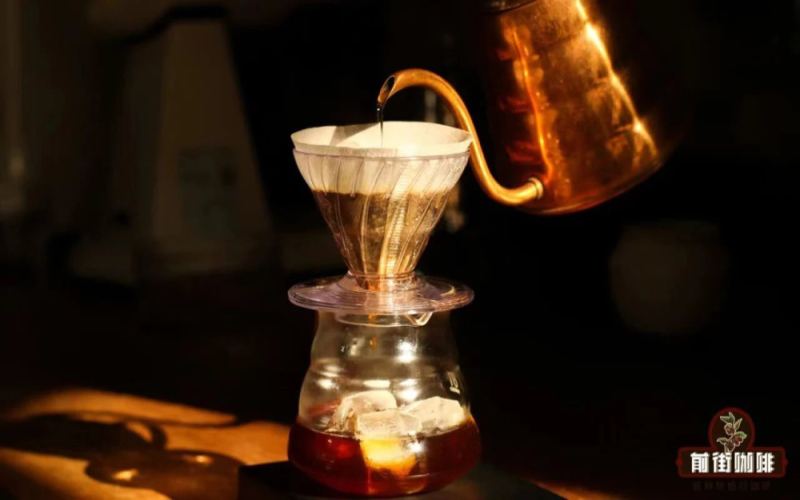
Cold Brew vs. Ice Drip Coffee: From Brewing Principles to a Complete Overview of American Coffee Varieties
The iced coffee family has a wide variety of categories, and cold brew, ice drip, and iced Americano each have their own merits. Starting from practical operation, this article analyzes the core differences between cold brew coffee and ice drip coffee in terms of extraction method, equipment structure, coffee-to-water ratio, and time control, while also clarifying the essential difference between ice drip coffee and Americano. The article also compiles the specific parameters used by Front Street Coffee baristas when making cold brew, as well as the structural details of the ice drip pot used in the shop, helping coffee enthusiasts systematically understand the characteristics and key preparation points of various types of iced coffee. [more…]
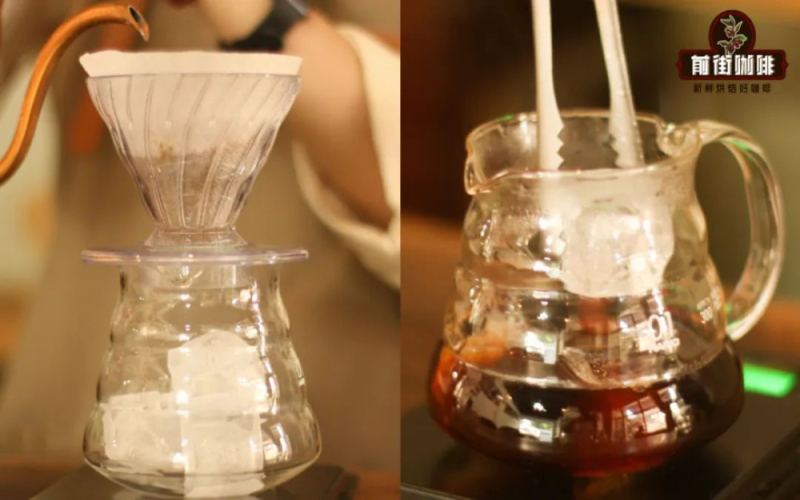
Iced Pour-Over Coffee Ice Timing Comparison Experiment: How Does Adding Ice First vs. Adding Ice Later Affect Flavor and Strength?
In the preparation of iced pour-over coffee, should the ice be placed into the server in advance, or added only after brewing is complete? This question appears to concern only the order of operations, yet it may affect the cooling speed of the coffee liquid, the retention of aroma, and the final concentration. Front Street Coffee used a washed Geisha from Colombia's Finca La Divisa as a sample, and by controlling the coffee-to-water-to-ice ratio, grind size, water temperature, and brewing technique, conducted a comparative tasting of the two methods—"ice first" and "ice after"—while recording temperature and flavor changes at different time points. The experiment attempted to answer: does the order of adding ice truly produce a perceivable difference, or is it merely an illusion caused by the time gap? [more…]
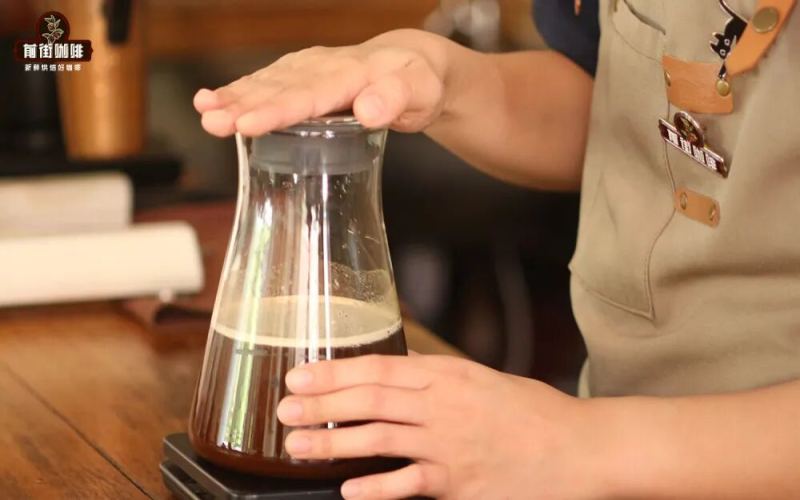
Differences in Cold Brew Coffee Made with Ice Water vs. Room Temperature Water and Front Street Coffee Bean Recommendations
Cold brew coffee is usually made by soaking coffee grounds in room-temperature water and then refrigerating to extract, but what difference does it make to use ice water? Through comparative experiments, this article analyzes in detail the differences between ice water and room-temperature water cold brew in flavor and extraction efficiency, and shares Front Street Coffee's bean recommendations and specific brewing parameters. Whether you are after a juicy feel or a rich, full-bodied taste, you can find a cold brew method that suits you. [more…]
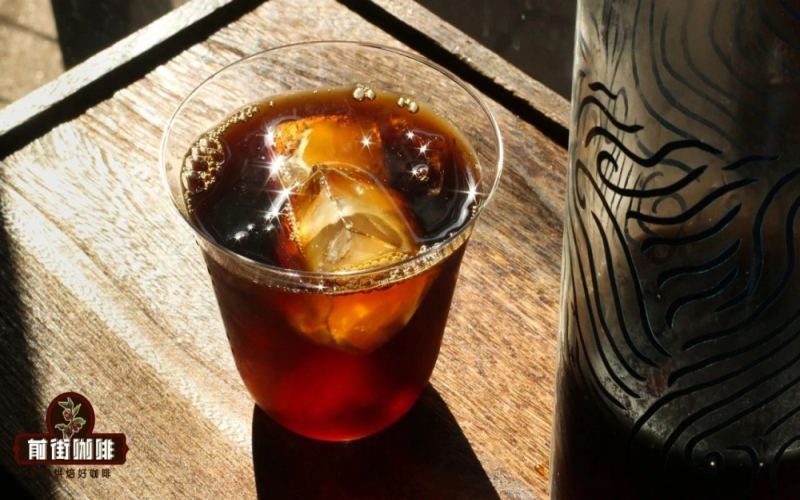
Ice Drip Coffee vs. Cold Brew Coffee: Key Differences Explained — From Bean Selection to Extraction, Front Street Coffee Shares Five Keys to Making Ice Drip Coffee
Although ice drip coffee and cold brew coffee both fall under the category of cold drinks, they differ noticeably in equipment structure, extraction principles, and operational details. Drawing on practical experience from Front Street Coffee shops, this article systematically breaks down the key points of making ice drip coffee, covering five major factors: coffee bean selection, grind size, drip rate, coffee-to-water ratio, and drinking method, along with specific parameter recommendations. Whether you are a beginner just getting into ice drip or an enthusiast hoping to improve the consistency of your brews, you will find practical operational ideas to reference here. [more…]

Cold Brew vs. Ice Drip Coffee: Ratio Guide to Making Single-Origin Black Coffee with Cold Water
Both cold brew and iced drip are cold-extraction iced coffees, yet they differ in preparation method, taste profile, and suitable bean types. Drawing on Front Street Coffee's practical experience, this article systematically sorts out the definitions of cold brew coffee and iced drip coffee, their operating procedures, recommended coffee-to-water ratios, and the differences in flavor between the two, and offers recommendations for light-roast single-origin beans suitable for making iced coffee, helping coffee lovers make a refreshing, smooth cup of iced black coffee in summer. [more…]

Cold Brew Coffee Essentials: Cold Brew vs. Ice Drip and the Science Behind the 8-Hour Extraction Time
Although the Start of Autumn has already passed, the heat in Guangdong shows no sign of letting up. The scorching 37°C weather still leaves people craving a refreshing, rich glass of cold brew coffee. But do you know what the key points are in making cold brew coffee? What exactly is the difference between cold brew and ice drip? Why does the extraction time have to be precisely 8 hours? This article will systematically lay out the complete knowledge of cold brew coffee from the perspectives of brewing principles, equipment selection, and extraction parameters, and compare the flavor differences between the two mainstream methods—cold brew and ice drip. At the same time, combined with Front Street Coffee's recommended products, it will help you make a more professional and better-tasting cold brew coffee this summer. [more…]
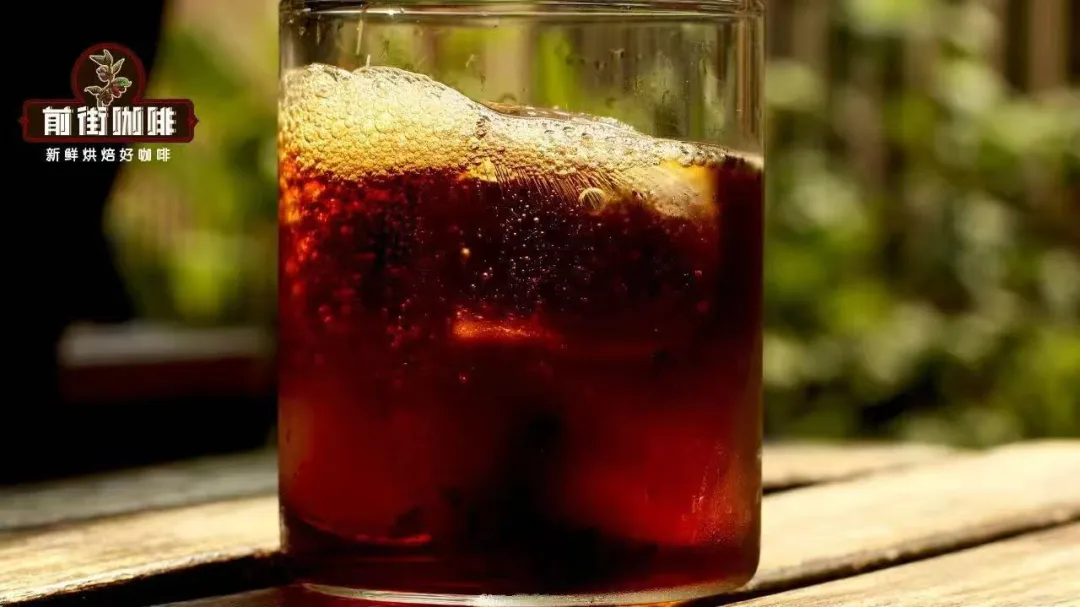
Cold Brew vs. Ice Drip Comparison | How to Tell Ice Drip Coffee from Cold Brew Coffee? What Coffee-to-Water Ratio and Grind Size Should You Use to Make Cold Brew at Home?
The distant cicadas are chirping nonstop, the dog days of summer have just begun, heat waves are rolling through the streets, and the tap water at home is running hot. A barista at Front Street Coffee had just opened the door when a friend walked in right after and asked if there was any cold brew coffee. To get through the hottest forty days of the year, without a cup of ice-cold coffee, it really [more…]

Design Highlights of the Ice Eye Dripper and Pour-Over Parameters: A Measured Comparison of Extraction Differences vs. V60
The Ice Eye dripper has gained considerable attention in the coffee community thanks to its striking appearance, but what truly deserves discussion is how its wall structure follows a completely different approach from common conical drippers. This article breaks down the design logic behind the Ice Eye dripper's three-layer wall, explains how the grooves affect flow rate and immersion time, and uses a comparative brewing experiment against the V60 to show how the same Emerald Estate Green Label Geisha expresses its flavors in the two drippers. At the end, complete pour-over parameters and Front Street Coffee's store information are included for readers to put into practice. [more…]
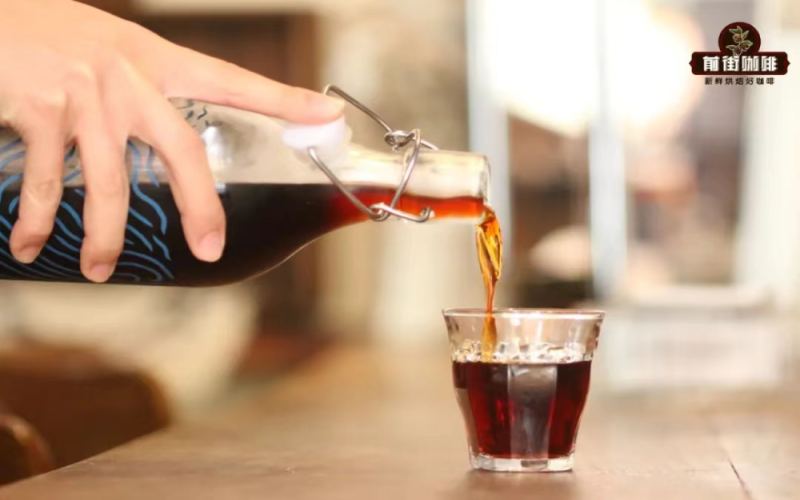
Cold Brew Coffee vs. Cold Brewing and Ice Drip: A Complete Guide to the Differences and Step-by-Step Home Brewing Tutorial
Cold brew, cold brew immersion, and ice drip coffee are three names that are often used interchangeably, leaving many coffee enthusiasts confused. This article approaches the topic from Front Street's perspective, first clarifying the differences between the three in terms of definitions and extraction principles, then explaining their respective taste characteristics. It then offers suggestions for bean selection for cold brew coffee, recommending Front Street Fruit Ding Ding, Front Street Huakui, Front Street Xizhao, and other beans suitable for summer cold brew. Finally, it includes a simple cold brew method covering grind size, coffee-to-water ratio, the effect of refrigeration time on flavor, as well as filtering and resting steps, to help readers make a fragrant, clean-tasting cold brew coffee at home. [more…]
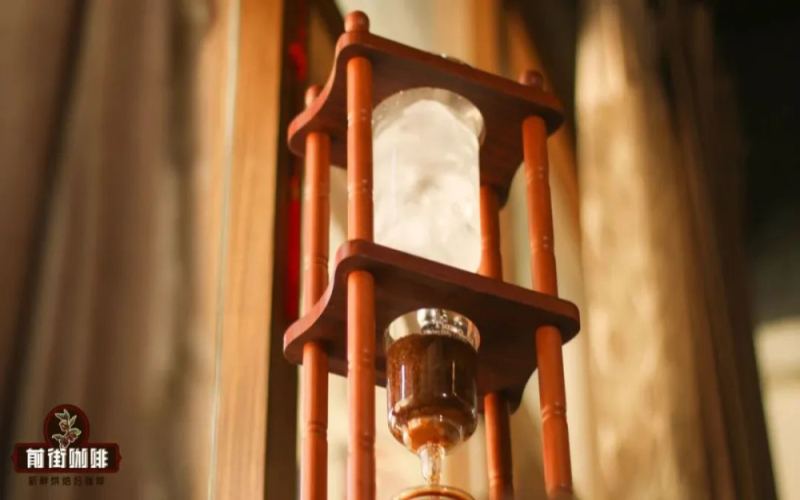
Cold Drip vs. Cold Brew: Which Is More Worth Trying? Flavor Differences in Low-Temperature Extracted Black Coffee and Bean Selection Tips
Cold brew coffee is not exclusive to summer; even in the cold season, Front Street's cold brew is still in short supply. When the cold brew sells out, many customers will instead ask if there is cold brew coffee. Cold brew and ice drip both belong to low-temperature extracted black coffee, yet they each have their own characteristics due to the differences between drip filtration and immersion. This article will sort out the differences between the two from aspects such as origin, brewing principles, and flavor performance, and combine the actual extraction experience of Front Street's medium-light roasted beans such as Huakui, Blackberry, Strawberry Candy, and Butterfly to help coffee lovers find the cup that better suits their own taste. [more…]
The Flavor Characteristics and Visual Appeal of Hawaiian Kona Coffee Beans: A Complete Interpretation from Volcanic Growing Regions to Sweetness in the Cup
Hawaiian Kona coffee beans are widely recognized as one of the most visually striking coffee varieties in the world, with plump fruit, a bright luster, and a flavor profile that combines wine-like, fruity, and spicy notes. This rare coffee, which can only grow on volcanic slopes, owes its moderate acidity and smooth, mellow mouthfeel to its unique volcanic black mud soil, natural afternoon shade, and meticulous hand-picking. Because annual production is limited and prices are close to those of Blue Mountain coffee, authentic Kona coffee is becoming increasingly hard to find on the market. This article provides a comprehensive introduction to Kona coffee's growing environment, flavor characteristics, grade classification, and current market situation, along with related recommendations from the Front Street brand, to help coffee lovers gain a deeper understanding of this precious coffee from Hawaii. [more…]
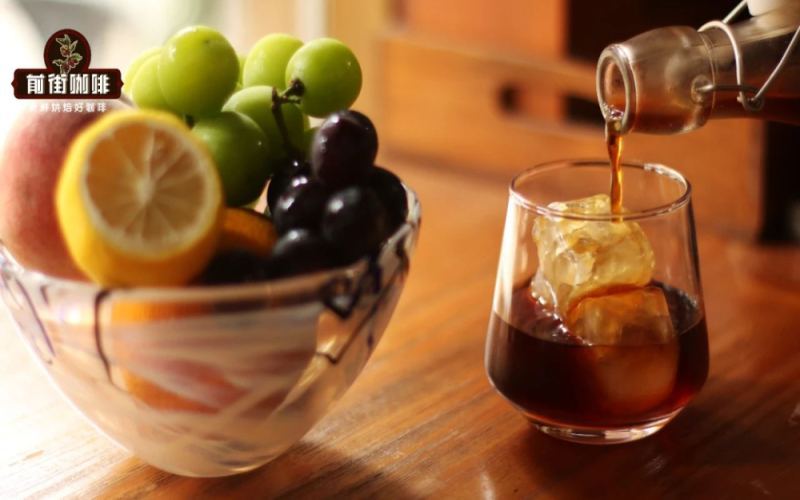
Cold Brew Coffee vs. Japanese Iced Pour-Over: A Full Analysis of Extraction Principles, Brewing Parameters, and Flavor Differences
On a scorching summer day, a refreshing glass of iced coffee always brings a unique kind of satisfaction. Cold drip coffee and cold brew coffee, as representatives of low-temperature extraction, are highly favored for their crisp taste and full-bodied flavor; while Japanese-style iced pour-over, made by adding ice to hot coffee, is known for its speed and simplicity. Starting from the practices at Front Street Coffee, this article systematically reviews the historical origins, brewing process, and equipment choices of cold drip coffee, compares the extraction logic and parameter adjustments of adding ice to hot coffee, and shares the flavor performance of medium-light roasted beans in iced coffee, helping coffee enthusiasts find the cup that suits them best in midsummer. [more…]

Ice Drip vs. Cold Brew: A Comprehensive Comparative Experiment from Brewing Principles to Flavor Expression
Ice drip coffee and cold brew coffee are two common methods of making cold coffee, and the two differ noticeably in production process, extraction time, and final flavor. Front Street Coffee conducted a synchronized experiment using the same sun-dried Huakui coffee beans, comparing the production methods and resulting performance of ice drip and cold brew in an all-round way, from grind size calibration to powder-to-liquid ratio setting, and then to extraction time and post-processing methods. The experimental results showed that ice drip coffee was clear and bright, with a clean and refreshing mouthfeel, carrying fermented notes and a faint berry-like sweet acidity; cold brew coffee, by contrast, had a full-bodied mouthfeel and uniform flavor, with prominent fruity sweetness and a weaker fermented note. This article will analyze in detail the differences in production methods between the two types of cold coffee, the experimental plan, and the flavor comparison results, to help coffee enthusiasts more clearly understand the characteristics of both and the basis for choosing between them. [more…]
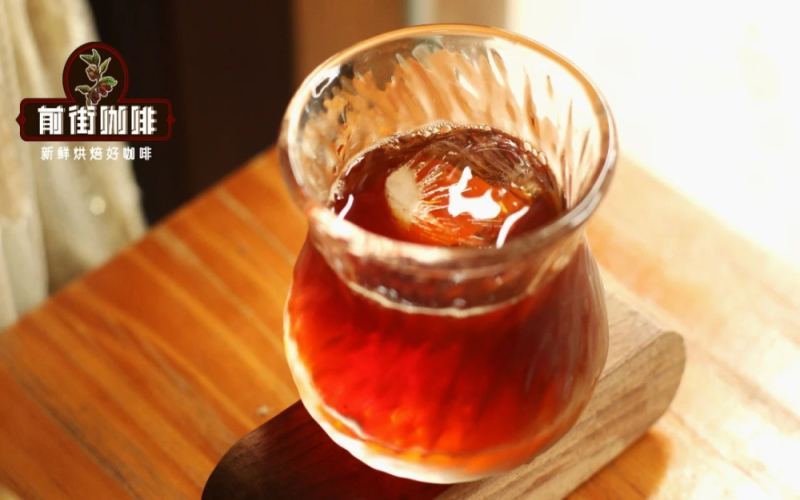
Cold Drip vs. Cold Brew Coffee: Home Brewing Methods, Coffee-to-Water Ratio Parameters, and Yirgacheffe Flavor Analysis
The intense heat of midsummer is hard to endure, and a refreshing glass of cold brew coffee has become a life-saving elixir for many coffee lovers. But what exactly is the difference between ice drip coffee and cold brew coffee? And how can you make it at home? Front Street Coffee will break down the equipment structure and production process of ice drip coffee in detail, and share a simpler cold brew coffee method. From the logic of adjusting the grind size, to the flexible use of a 1:10 coffee-to-water ratio, and then to the flavor performance of Kenya and Yirgacheffe Red Cherry beans under low-temperature extraction, this article presents them one by one, helping you easily make a clear and smooth iced coffee at home. [more…]
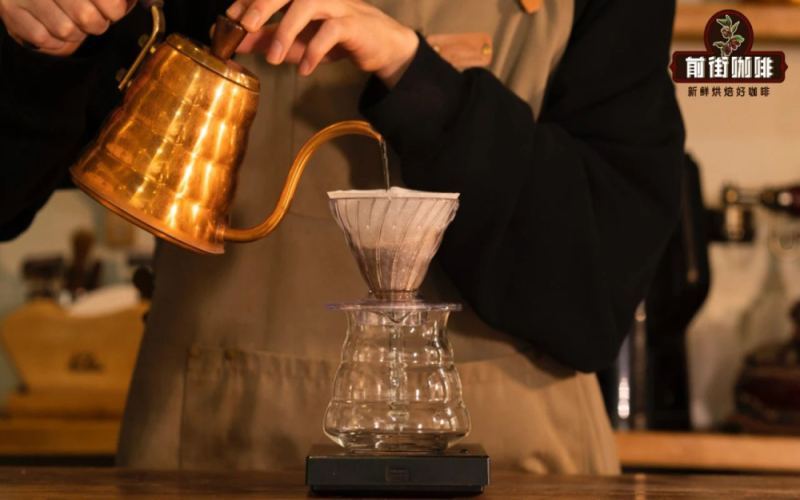
Ice Drip vs. Iced Pour-Over Coffee: A Flavor Comparison of Low-Temperature Slow Extraction and High-Temperature Fast Extraction
Ice drip coffee and iced pour-over coffee are often mentioned together, but the two differ significantly in extraction principles, flavor expression, and brewing process. Ice drip is a low-temperature slow extraction, while iced pour-over is a high-temperature fast extraction followed by cooling. Temperature greatly affects the breakdown rate of oils, acids, and sugars in coffee, thereby shaping distinctly different aromas, mouthfeels, and layers. From the perspective of Front Street Coffee, this article systematically sorts out the respective characteristics of high-temperature extraction and low-temperature extraction, and, using Honduras Sherry coffee beans as an example, records in detail the brewing parameters and flavor comparison of ice drip and iced pour-over, helping coffee enthusiasts more clearly understand the essential differences between the two kinds of iced coffee. [more…]
Japanese Iced Coffee Brewing Guide: Iced Americano vs Cold Brew, Iced Pour-Over Recipe, and Whether You Can Order It Without Ice
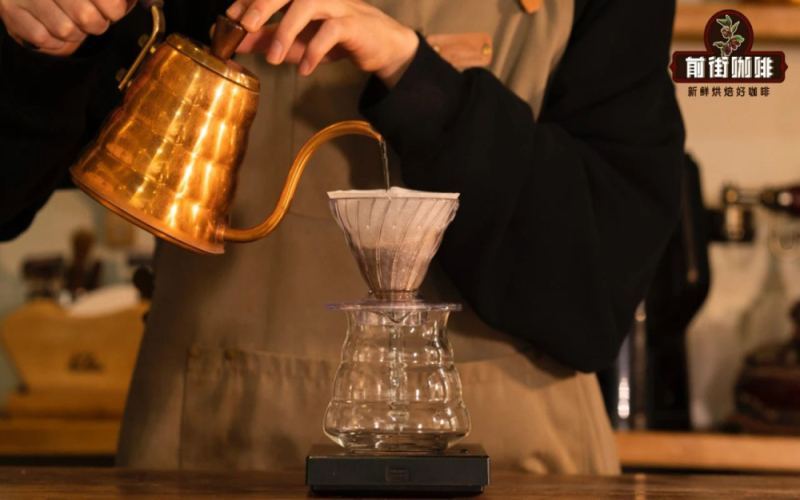
Japanese coffee culture has long been renowned for its artisan spirit, with a preference for rich, full-bodied medium-dark roast flavors—Blue Mountain and Mandheling being typical examples. In the heat of summer, iced coffee is naturally indispensable. This article focuses on Japanese-style iced coffee, introducing the advantages of its quick preparation, its differences from cold brew and iced Americano, and providing complete parameters for iced pour-over using beans such as Front Street Yirgacheffe—including dose, ice ratio, water temperature and grind size, blooming, and staged pouring techniques. It also addresses the question of whether cold brew iced coffee can be served without ice, and reminds readers of the impact of low temperature on flavor perception, helping coffee enthusiasts make a refreshing, bright cup of iced coffee in summer. [more…]

Cold brew coffee steeping time and temperature selection: ice drip vs. cold brew methods, flavor differences, and Front Street Coffee's measured data
Making cold brew coffee at home can both beat the heat and save you quite a bit of money. Cold brew actually falls into two categories: cold water immersion and ice water drip, namely cold brew coffee and ice drip coffee. This article first introduces the complete process and parameters for making ice drip coffee at Front Street Coffee stores, including coffee dose, grind size, coffee-to-water ratio, and extraction time, and recommends a suitable Kenyan bean; then it explains the simpler cold brew method and tea bag technique. Regarding the two common questions of how long cold brew coffee should steep and whether to leave it at room temperature or in the fridge, the article gives Front Street's conclusions from comparative tests at 4, 8, 12, and 24 hours to help you adjust the extraction plan according to your taste. [more…]
What Happens When You Replace Hot Water with Cola to Brew Coffee? A Hands-On Comparison of Iced Cola Pour-Over vs. Cola Ice Cube Pour-Over
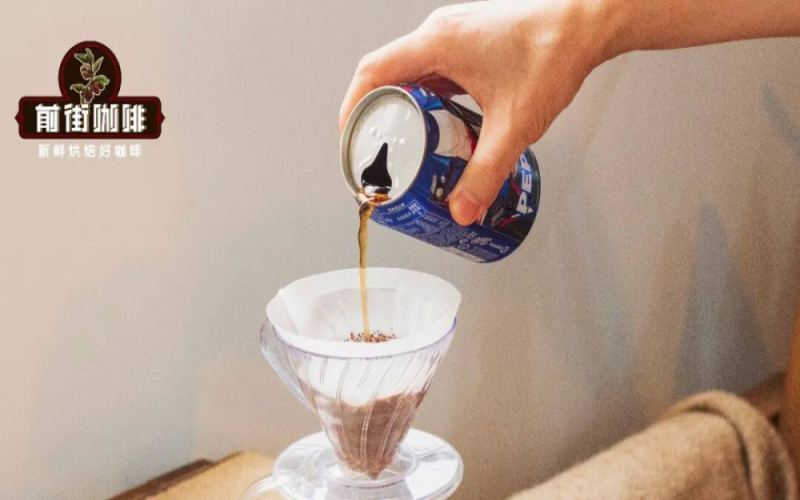
Can cola actually be used to brew coffee? Front Street Coffee, out of curiosity, conducted two rounds of hands-on testing: in the first round, iced cola was used directly instead of hot water to extract Front Street Blackberry Coffee; in the second round, cola was frozen into ice cubes while hot water was still used for brewing, to compare the flavor differences between the two. The results showed that when iced cola was used for direct extraction, the low temperature and abundant bubbles hindered the release of soluble coffee compounds, making the final product taste more like a glass of coffee-flavored iced cola; whereas when cola ice cubes were used instead, the coffee flavors were finally preserved, with raisin, floral, and berry notes clearly emerging, layered with the icy sweetness of soda, making the overall cup refreshing and mellow. This article fully documents the parameters, brewing steps, and flavor observations, and is suitable for coffee enthusiasts who want to try a new method at home. [more…]